Inside a Modern Light Weight Aluminum Foundry: What Occurs From Thawing to Last Evaluation
Inside a modern light weight aluminum factory, the makeover of basic materials right into completed products is a complicated and systematic procedure. Each stage, from picking the ideal alloys to last evaluations, plays an important function. Experienced drivers and advanced modern technology operate in harmony to guarantee quality and precision. As the journey unfolds, the complex steps expose the precise treatment taken to meet industry standards. What innovations and obstacles await in this crucial production domain?
The Raw Products: Understanding Aluminum Alloys
Light weight aluminum alloys offer as the foundation for the contemporary light weight aluminum shop process, providing a flexible array of homes tailored for numerous applications. These alloys are mainly made up of light weight aluminum, with various other elements like copper, zinc, magnesium, and silicon added to boost details qualities. Each alloying element adds special characteristics, such as raised stamina, improved deterioration resistance, or boosted machinability.
The category of light weight aluminum alloys is normally separated right into 2 groups: wrought and cast. Wrought alloys are processed through mechanical means, while cast alloys are formed by pouring molten metal right into molds. The option of alloy depends upon the planned usage, with some alloys optimized for high-performance aerospace elements, while others are suited for automobile applications. Understanding the structure and attributes of these alloys is necessary for producers to meet the rigorous needs of modern-day design and style demands.
Melting Process: Changing Strong to Liquid
The melting process is a vital action in the aluminum shop, where strong light weight aluminum alloys are changed into a fluid state to help with spreading. This makeover starts with the mindful choice of resources, adhered to by their placement in a furnace designed to attain heats. Foundries usually utilize either induction or reverberatory furnaces, each offering unique advantages for melting effectiveness and energy intake.
As the solid light weight aluminum heats up, it undergoes a phase adjustment, with the temperature carefully kept track of to assure even melting. Oxides and contaminations are frequently gotten rid of during this phase, enhancing the quality of the molten aluminum. The procedure requires experienced operators that manage the heating system conditions, ensuring the alloy gets to the desired temperature and make-up. As soon as the aluminum is fully thawed, it is ready for the following phase, allowing precise casting that meets strict sector criteria.
Pouring Methods: Accuracy in Every Drop
Pouring liquified aluminum right into mold and mildews requires precise accuracy to assure that each decrease fills up the tooth cavity uniformly and precisely. Different strategies are used to attain this degree of precision, with each approach customized to specific casting demands. The pouring procedure is frequently assisted by the usage of sophisticated tools, such as automated putting systems, which guarantee consistent flow prices and temperature levels.
In addition, drivers check the thickness of the molten light weight aluminum, as variants can significantly impact exactly how well the steel loads detailed mold and mildew layouts. Aluminum Casting Company. The angle and elevation from which the aluminum is poured are likewise critical elements; improper pouring can result in issues such as air pockets or insufficient loads
To reduce these threats, experienced specialists utilize method and experience, changing their techniques based on real-time responses. Overall, the mix of innovative technology and human know-how is essential for achieving suitable pouring lead to modern light weight aluminum factories.
Molding Methods: Shaping the Future
Molding techniques play an important duty in the light weight aluminum foundry process, affecting both quality and efficiency. Among the key methods are sand spreading and pass away casting, each offering one-of-a-kind benefits for numerous applications. Comprehending these approaches is essential for shaping the future of light weight aluminum production.
Sand Casting Techniques
Although sand spreading has actually been a basic method in metalworking for centuries, its innovative applications proceed to evolve, shaping the future of the light weight aluminum shop process. This functional method includes producing mold and mildews from sand, which can be conveniently shaped and recycled, making it cost-effective for massive production. Modern advancements have actually enhanced the precision and efficiency of sand spreading, enabling intricate geometries and reduced lead times. Methods such as chilly box and no-bake sand casting are gaining appeal due to their ability to create top notch molds with enhanced surface coatings. Additionally, the integration of computer-aided layout (CAD) and simulation software assists in enhanced mold design, better fine-tuning the spreading process and guaranteeing constant high quality in light weight aluminum elements.
Pass Away Spreading Processes
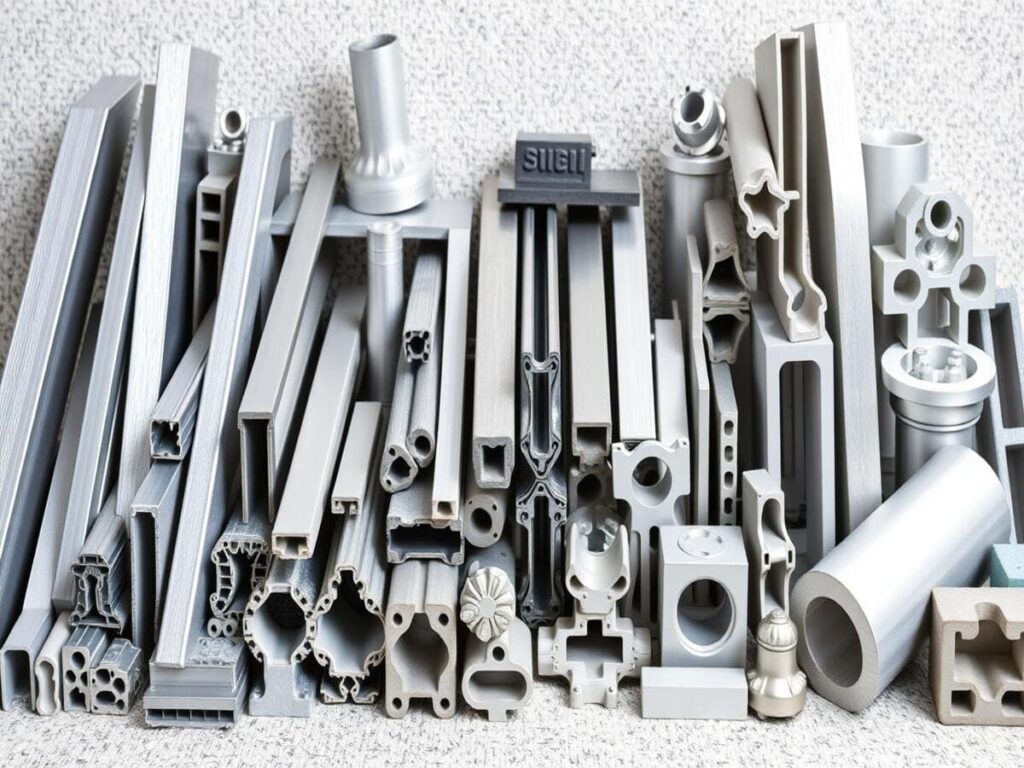
Cooling and Solidification: From Fluid to Solid
The shift from fluid to strong in the light weight aluminum factory process is an important phase that considerably affects the last residential properties of the actors item - Precision aluminum casting. When the molten light weight aluminum is put right into molds, it starts to shed heat, starting the air conditioning process. The temperature level drop causes the light weight aluminum atoms to lose power and arrange themselves into a solid lattice structure. This modification happens at certain temperature levels, called the solidification variety, which varies depending upon the alloy structure
Cooling rates play a considerable function; quick air conditioning can result in finer microstructures, improving toughness, while slower air conditioning may cause coarser grains and lowered mechanical properties. Additionally, the style of the mold and mildew and the density of the spreadings influence cooling rates. Correct control of these parameters guarantees consistent solidification, reducing problems such as porosity or bending. This stage inevitably determines the integrity and efficiency of the completed light weight aluminum part.
Completing Processes: Accomplishing Perfection
The ending up procedures in aluminum shop operations play a critical duty in boosting the end product's appearance and efficiency. Surface area treatment methods, such as anodizing and sprucing up, are crucial for accomplishing wanted useful and visual top qualities. In addition, carrying out rigid high quality control measures ensures that each element fulfills sector standards and specs.
Surface Treatment Methods
While achieving a flawless surface in light weight aluminum foundry procedures is extremely important, the selection of proper surface therapy methods plays an essential function. Numerous methods are employed to improve the deterioration, look, and durability resistance of aluminum components. Anodizing, as an example, involves developing a protective oxide layer that boosts resistance to use and improves aesthetic appeal. Another technique is powder coating, which not only gives a robust surface yet likewise enables for a range of shades and textures. In addition, chemical sprucing up can be utilized to accomplish a brilliant, reflective surface. Each of these therapies serves to enhance the total quality and longevity of the finished product, guaranteeing that components fulfill the strict needs of their designated applications.
Quality Assurance Measures
Making sure the best in aluminum foundry processes necessitates rigorous quality assurance steps throughout the ending up stages. These actions include complete evaluations at each manufacturing phase, where skilled personnel examine surface area stability and dimensional accuracy. Advanced methods such as non-destructive screening (NDT) are employed check this site out to detect possible problems without endangering the material's framework. In addition, chemical analysis is carried out to validate the alloy structure, guaranteeing it fulfills defined requirements - aluminum casting. Monitoring devices calibrations and maintaining accurate temperature level controls throughout procedures like anodizing even more enhance top quality. Final assessments entail assessing visual facets, such as surface finish and color uniformity. By executing these considerable top quality control steps, foundries can ensure customers of the reliability and sturdiness of their aluminum products
Quality Assurance: Making Sure Requirement Are Met
Quality assurance plays a necessary function in the light weight Read Full Report aluminum foundry process, as it straight impacts item stability and performance. Each phase of production is carefully kept track of to guarantee compliance with market standards and specifications. This begins with resources evaluation, where the quality of aluminum ingots is validated for pureness and make-up. During the melting stage, temperature and alloy ratios are closely controlled to attain excellent outcomes.
As molten aluminum is poured into mold and mildews, service technicians perform aesthetic inspections to recognize any kind of defects, such as air bubbles or imbalances. After cooling, castings go through dimensional checks making use of specific measuring instruments to validate they fulfill needed resistances.
Ended up products are subjected to strenuous screening, including mechanical and chemical evaluations, to confirm their durability and efficiency capabilities. This thorough top quality control process warranties that each element not only meets but surpasses consumer expectations, reinforcing the factory's online reputation for quality.
Regularly Asked Questions
What Precaution Are Executed in a Light Weight Aluminum Factory?
Safety procedures in a light weight aluminum factory include protective equipment, air flow systems, fire reductions tools, regular safety training, hazard interaction, and rigorous adherence to protocols to protect against mishaps and guarantee the wellness of all staff members.
How Is Waste Managed Throughout the Aluminum Spreading Refine?
Waste management during the light weight aluminum spreading process includes recycling scrap light weight aluminum, correctly getting rid of dangerous products, and employing dust collection systems. These procedures assist minimize environmental effect while making certain efficient source use throughout manufacturing.
What Sorts of Equipment Are Used in Modern Foundries?

How Are Light Weight Aluminum Alloys Selected for Details Applications?
Aluminum alloys are picked based upon mechanical buildings, corrosion resistance, thermal conductivity, and weight requirements. Engineers evaluate application needs, conducting evaluations and tests to guarantee peak performance and compatibility with the meant use the last product.

What Certifications Do Shops Need to Operate Legitimately?
Foundries need to get various qualifications to operate lawfully, including read the full info here ISO, ASTM, and industry-specific criteria. These qualifications assure conformity with safety and security policies, quality control, and ecological management, promoting trust fund amongst clients and adherence to legal needs.
Aluminum alloys serve as the foundation for the contemporary aluminum factory procedure, supplying a versatile range of residential or commercial properties customized for numerous applications. The melting procedure is a crucial step in the aluminum foundry, where solid aluminum alloys are changed right into a fluid state to promote spreading. Sand spreading has actually been a basic strategy in metalworking for centuries, its ingenious applications continue to develop, shaping the future of the aluminum factory procedure. Ensuring the highest quality in light weight aluminum shop processes necessitates rigorous quality control measures throughout the finishing stages. Waste management during the aluminum casting procedure entails reusing scrap light weight aluminum, effectively disposing of harmful materials, and employing dirt collection systems.